
News

Mi-Hy featured on Deepsync
We are thrilled to share that Mi-Hy has been featured in a recent article on DEEPSYNC by Diego Giuliani, together with our portfolio partners HYDROCOW and DAM4CO2! The article highlights innovative solutions transforming waste streams into valuable...

Bilateral Workshop: Projects Mi-Hy and CONFETI at the UAB
The Mi-Hy and CONFETI Project EU projects came together at Universitat Autònoma de Barcelona, sharing cutting-edge tech on CO2 & nitrogen valorization. The workshop centered on advancing sustainable energy solutions and agricultural practices...

EIC Portfolio: First Annual Meeting & Press Release
Download our press release: Pioneering Innovations in CO2 and Nitrogen Management and Valorisation at EIC Portfolio MeetingMi-Hy is part of a portfolio of eight research and innovatin projects made up of 51 organizations from 12 EU Member States...
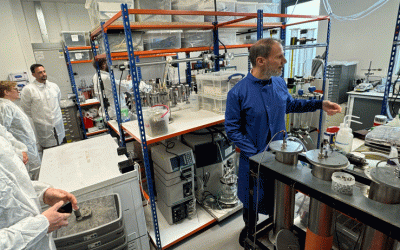
Microbial Fuel Cell Workshop at the University of Southampton Labs
On April 10-12th Mi-Hy consortium gathered at the University of Southampton (UK) to actively participate at the microbial fuel cell workshop hosted by Prof. Yannis Ieropoulus. Participants came from KU Leuven, SONY CSL, Biofaction, CSIC and...
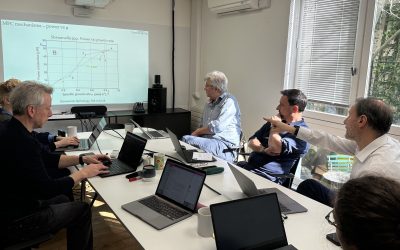
System Integration Workshop in Paris
The Mi-Hy team met in Paris on March, 22nd for an important task: during a two day workshop they elaborated all the elements of a first prototype, analysed the system’s cycles, and defined upcoming goals. This intensive work session highlighted the...
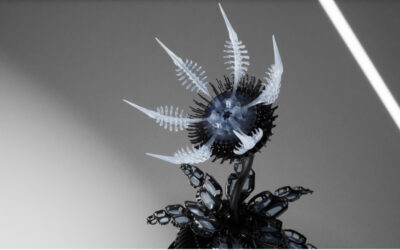
Microbial Hydroponics Event at CIVA, Brussels
Mi-Hy organized a public event titled Microbial Hydroponics: How might simple organisms impact the future of energy? at the CIVA museum in Brussels. The event took place as part of the Mi-Hy kick off meeting and in connection to the CIVA exhibition...
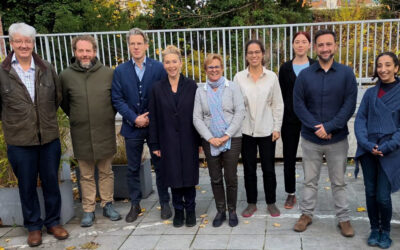
Kick-off Meeting in Brussels
Representatives of all 6 Mi-Hy partners launched the project in Brussels, Belgium on November 16th and 17th. Mi-Hy participants discussed their future plans for the next 4 years on how to bring microbial fuel cells and hydroponics together to...

Mi-Hy on LinkedIn
Mi-Hy is now also represneted on LinkedIn to share updates about our research, highlight important news and background information, and engage with fellow researchers, (future) users, business partners and other relvant stakeholders as well as the...